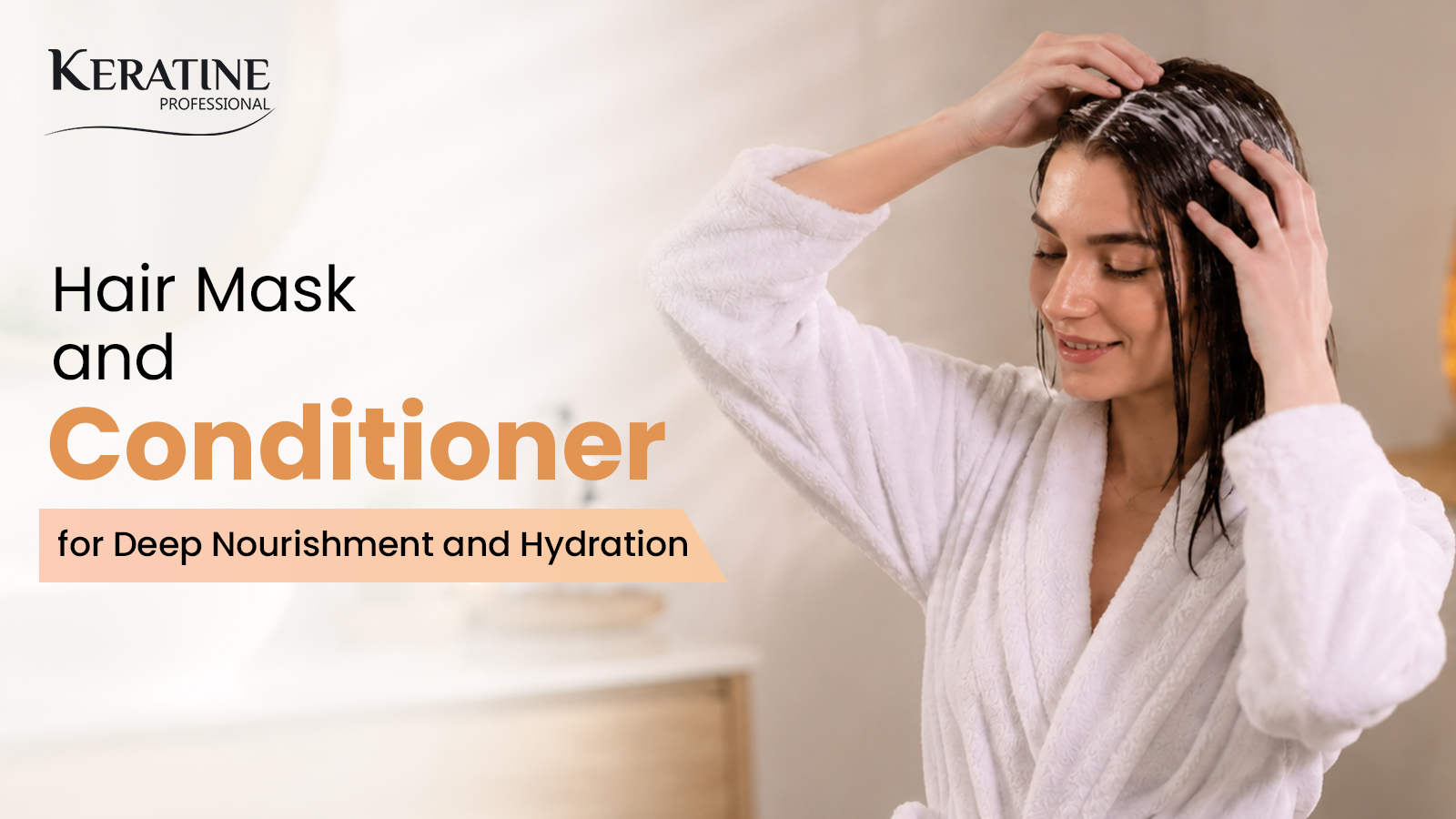
Hair Mask and Conditioner for Deep Nourishment and Hydration
When it comes to maintaining healthy hair, more than just shampooing is required. If your hair is dry, rough, frizzy, or hard to tame, then a hair mask and conditioner can be helpful to add to your routine for extra nourishment and hydration.
When it comes to maintaining healthy hair, more than just shampooing is required. If your hair is dry, rough, frizzy, or hard to tame, then a hair mask and conditioner can be helpful to add to your routine for extra nourishment and hydration. A conditioner can be used everyday for softness and detangling while a hair mask can be used for extra conditioning when your hair requires extra attention.
A routine that you stick to consistently can help improve the look of dryness, eliminate visible frizz, enhance shine and make hair easier to style. The main thing is to select the right products for your hair type and apply them properly.
Why Use a Hair Mask and Conditioner Together?
A conditioner and a hair mask are similar but different in terms of their functions in a hair care routine.
Usually, conditioner is applied post-shampoo. Helps to make the surface of hair smoother and make it more manageable. A hair mask tends to be more concentrated, and is applied less often, to offer more intensive conditioning.
When your hair has all of these, it may be beneficial to use both:
- Dryness
- Frizz
- Rough texture
- Dullness
- Tangling
- Heat-styling damage
- Lack of softness
- Difficult manageability
To get the best results, do not apply large quantities of either product. The lengths and ends are usually adequately covered with a small, appropriate amount.
How Deep Hydration Helps Dry Hair
Dry hair may feel coarse and appear lifeless due to its lack of hydration and condition. This can be caused by environmental exposure, frequent heat-styling, chemicals and too much washing.
Deep hydration can help make hair feel smoother and healthier, whilst reducing the appearance of dry strands. For regions of the hair which are drier than the rest, a nourishing mask can be used to condition the hair further, particularly mid-lengths and ends.
Regular use of hair mask and conditioner can help keep hair soft in between shampoos if it is naturally dry.
Hair Mask for Frizzy Hair
Dryness, humidity, damage and uneven hair surface are all associated with frizz. Although frizz can't be cured, some conditioning can make the hair look smoother and under better control.
When searching for a hair mask for frizzy hair, look for one that is rich in nutrients and nourishment, such as Hair Mask with Deep Nourishment. Deep conditioning is important to maintain softness and easier to manage strands.
Apply the mask primarily to the lengths and ends, and leave it on as per the instructions on the product. Do not use excessive amounts of product especially in fine hair.
Rosemary Hair Mask for Nourishing Care
The ingredients in a cream can also affect your decision on the type of treatment to use. For those who like a rosemary formula, the Keratin Sulphate-Free Hair Mask with Rosemary hair mask can be added to your hair care regimen as a rosemary hair mask.
A nourishing mask can be especially beneficial if your hair feels soft and rough after regular hair washing. Target the application where it's needed most and use according to the directions.
Keep in mind, a hair mask should be used in addition to a normal cleansing and conditioning regimen.
Sulphate-Free Hair Mask for Dry Hair
If you prefer sulfate-free care for your hair, consider using Hair Mask Deep Repair and Hydration for Dry Hair, a sulfate free hair mask.
The condition of dry hair can be helped by a routine that is not overly aggressive and has enough conditioning. A good shampoo and a conditioning mask and shampoo can make a balanced regimen for softer-looking strands.
Your entire routine should be tailored to your hair type, skin sensitivity and styling preferences, however.
Smoothing Hair Mask for Better Manageability
If you're primarily worried about frizz and roughness, a smoothing hair mask can come in handy.
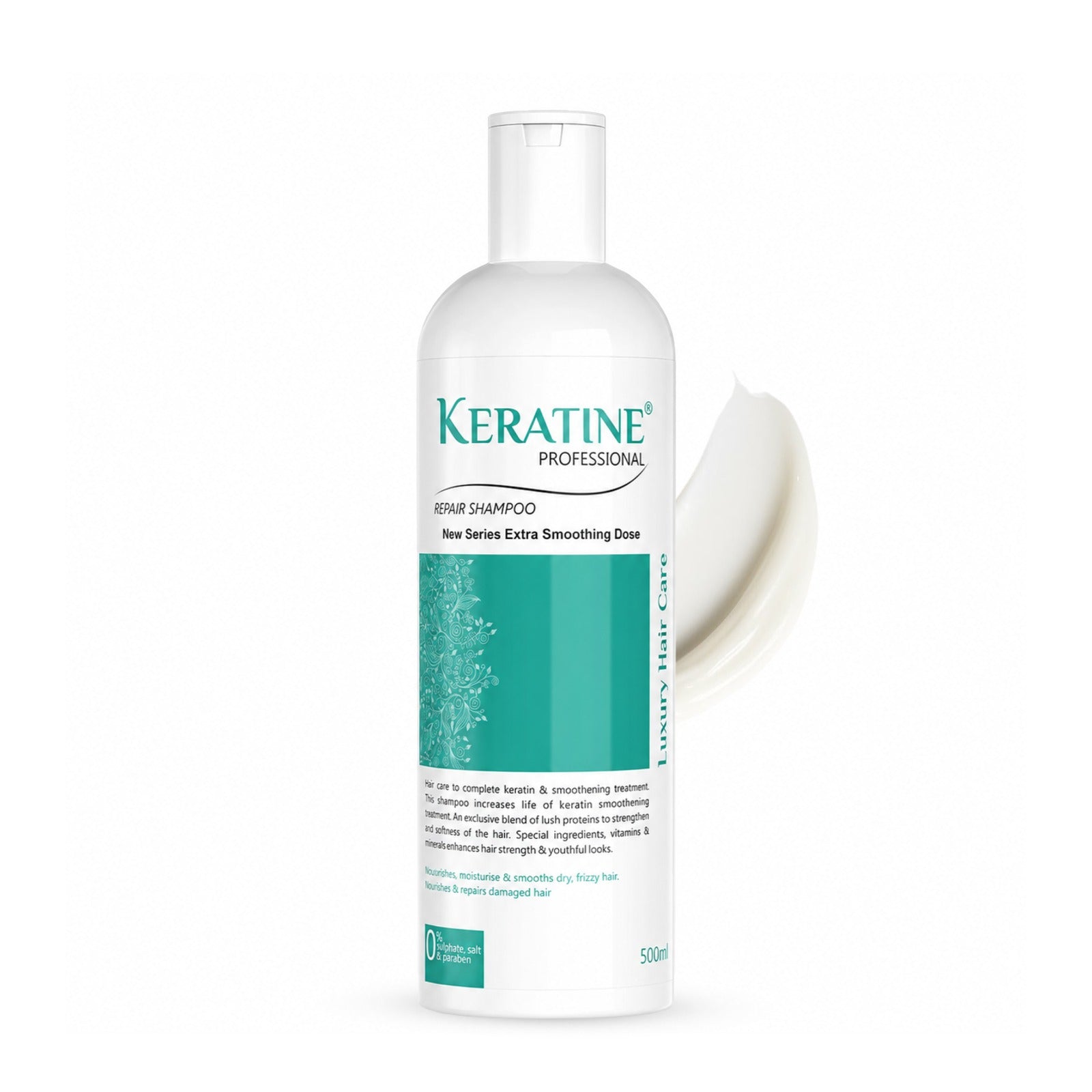
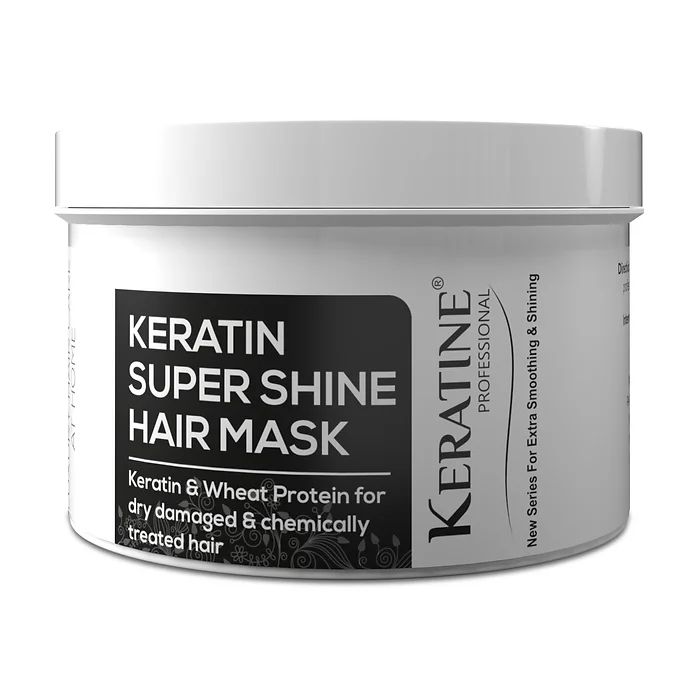
Additions may be made to any part of the hair during application when extra conditioning and smoothing is desired, as in the case of Keratin Smoothing Hair Mask. With regular use, hair can feel softer and easier to style, especially with gentle washing and styling techniques.
This smoothing treatment is particularly beneficial for hair that is hard to brush or style after shampooing.
Hair Mask vs Conditioner: What Is the Difference?
Knowing the difference can assist you to develop a better routine.
Conditioner
The conditioner can be used for some time. It can:
- Improve softness
- Make detangling easier
- Reduce roughness
- Improve manageability
- Provide everyday conditioning
Hair Mask
A hair mask is applied less frequently and offers more intensive conditioning. It can help:
- Add extra moisture
- smooth and soften dry hair.
- Minimise frizziness
- Enhance softness
- Support smoother-looking strands
A mask is not required every day. Many types of hair require just one application a week or as directed on the package.
How to Use Hair Mask and Conditioner Correctly
The order of application can make your routine smoother and easier.
Step 1: Shampoo Your Hair
Begin with a shampoo suitable for your scalp and hair type. Rinse thoroughly to remove dirt, oil, and product buildup.
Step 2.Apply Hair Mask
Wash hair and remove excess water. Apply mask to mid-lengths and ends.
Step 3: Let the Mask be the performer's.
Keep operating it for the recommended time indicated on the product packaging. Do not leave on for an extended period unless it is specifically called for in instructions.
Step 4: Rinse Thoroughly
Rinse mask with clean water.
Step 5: Apply Conditioner as necessary
If your hair requires extra softness, conditioner can be used after the mask depending on the mask and your hair type. There are some heavy duty masks which can offer sufficient conditioning when used alone.
How Often Should You Use a Hair Mask?
There is an optimal frequency for hair that is dependent on the condition of the hair.
Once a week deep conditioning treatments can be beneficial if your hair is super dry, damaged or heat damaged. This product may be used less often if you have normal or fine hair.
An excess of rich products can sometimes result in fine or oily hair feeling heavy. Begin gradually and tweak as needed to see how the hair will react.
Tips for Better Hydration and Smoothness
While a good hair mask and conditioner regimen is an effective method, a healthy lifestyle contributes to better hair health.
Avoid Excessive Heat
Often straightening, curling, and blow drying at high temperatures can lead to dryness and breakage. Try to keep heat styling to a moderate level as much as possible.
Do Not Rub Wet Hair
When hair is wet, it may be more fragile and prone to stretching and breakage. Gently squeeze out the water from your hair instead of rubbing with a towel.
Brush Gently
Use an appropriate comb or brush; untangle slowly, starting at the ends.
Protect Your Hair
When using any heat straightening tools, try using a suitable heat protective product. This can minimize styling heat damage.
Maintain Regular Conditioning
Avoid using hair masks just from time to time. Regularly condition after shampoo for softness and manageability.
Do Hair Masks Work for Damaged Hair?
While hair masks can help to make damaged hair feel and look better, they cannot undo the damage.
Deep conditioning may soften, smooth, and make damaged strands easier to handle. The ends, however, may need to be trimmed if there are splits or damaged ends.
To achieve long-lasting success, try to incorporate conditioning treatments, use gentle hair products, avoid excessive heat, use proper cleansing and routine haircuts (as needed).
Choosing the Right Hair Mask
Depending on the primary concern of your hair, the best option is available.
For frizz and dryness, a deeply nourishing formula might be considered. For those who like to focus on the ingredients, a mask that contains rosemary might be a good option. If a sulphate free formula is preferred, a suitable formula free of sulphates can be added to the routine. For smoothness and manageability, a smoothing mask might be more appropriate.
It's not about picking the product that is popular. Take into account your hair type, its dryness, how you style it and the condition of your hair.
Overall Summary
A hair mask and hair conditioner can complement each other to maintain a basic hair care regimen aimed at hydration, softness and smoothness. Conditioners will help with regular maintenance, and a hair mask will help to provide intensive nourishment when hair is dry or coarse.
If you have frizzy hair, use a nourishing hair mask to promote softness and tangle-free hair. The rosemary formula is ideal for those who want additional nourishment, and a sulphate-free formula may be good for dry hair. Using a smoothing mask is also a great way to achieve a smoother, more refined look. With proper conditioning, careful cleaning and minimal heat styling, you can have smoother, shinier, healthier, easier-to-comb hair.