Hair Mask and Conditioner for Smooth, Soft, and Healthy Hair
Learn how to use a hair mask and conditioner for softer, smoother, and more manageable hair. Find simple care tips for dry, rough, and frizzy hair.
Regular shampoos are not enough for healthy looking hair. If your hair is dry, rough, tangly or frizzy, you may find that you need to use a hair mask and conditioner to help soften, smooth, and make your hair easier to manage.
Mostly, a conditioner is applied after shampooing to ensure easier detangling and managing of the hair, and a hair mask is a more intensive product that provides more hair conditioning and nourishment. If you use the right products to the right people on the right type of hair, it can keep your hair smooth and healthy.
If your hair is dry, frizzy, rough or heat damaged, a regular conditioning regimen can help to make your hair feel smoother and more manageable.
Why Use a Hair Mask and Conditioner?
Hair masks and conditioners are occasionally used simultaneously, but they serve different purposes when it comes to hair care.
The conditioner will typically be included with the wash as well. It makes hair softer, less tangly and easier to manage after shampooing. Hair masks are generally not used as often and are meant to provide more moisture and nourishment to hair that requires it.
Combining the two can be beneficial for hair that feels:
- Dry or rough
- Frizzy and hard to control
- Tangled after washing
- Lacking in softness, or unpleasantly hard
- Dry at the ends
- Stressed by frequent heat styling
The key is to do a good routine, but not over-apply too many products.
List the advantages of using a hair mask and conditioner.Summarize reasons for using a hair mask and a conditioner.
Benefits of Using a Hair Mask and Conditioner
Helps Improve Hair Softness
Dry hair can be rough and unmanageable. An appropriate hair mask can give the hair intensive conditioning, and conditioner can assist in leaving the hair softer after washing.
Standard conditioning will help the lengths and ends to run and style more easily. It can also add to the overall style of hair without adding to the hectic routine.
Helps Manage Frizz
Frizz is more visible when the hair is dry, rough, or when it comes into contact with humidity. Frizzy hair can be treated with a nourishing hair mask which can enhance the smoothness and feel of the hair.
If a person is experiencing frequent flyaways and voluminous locks, then he or she may find that the use of the correct mask and conditioner will make it easier to manage locks.
Supports Smoother-Looking Hair
It can be difficult to style hair that feels rough. Softness and smoothening of the hair surface by using the conditioning treatments.
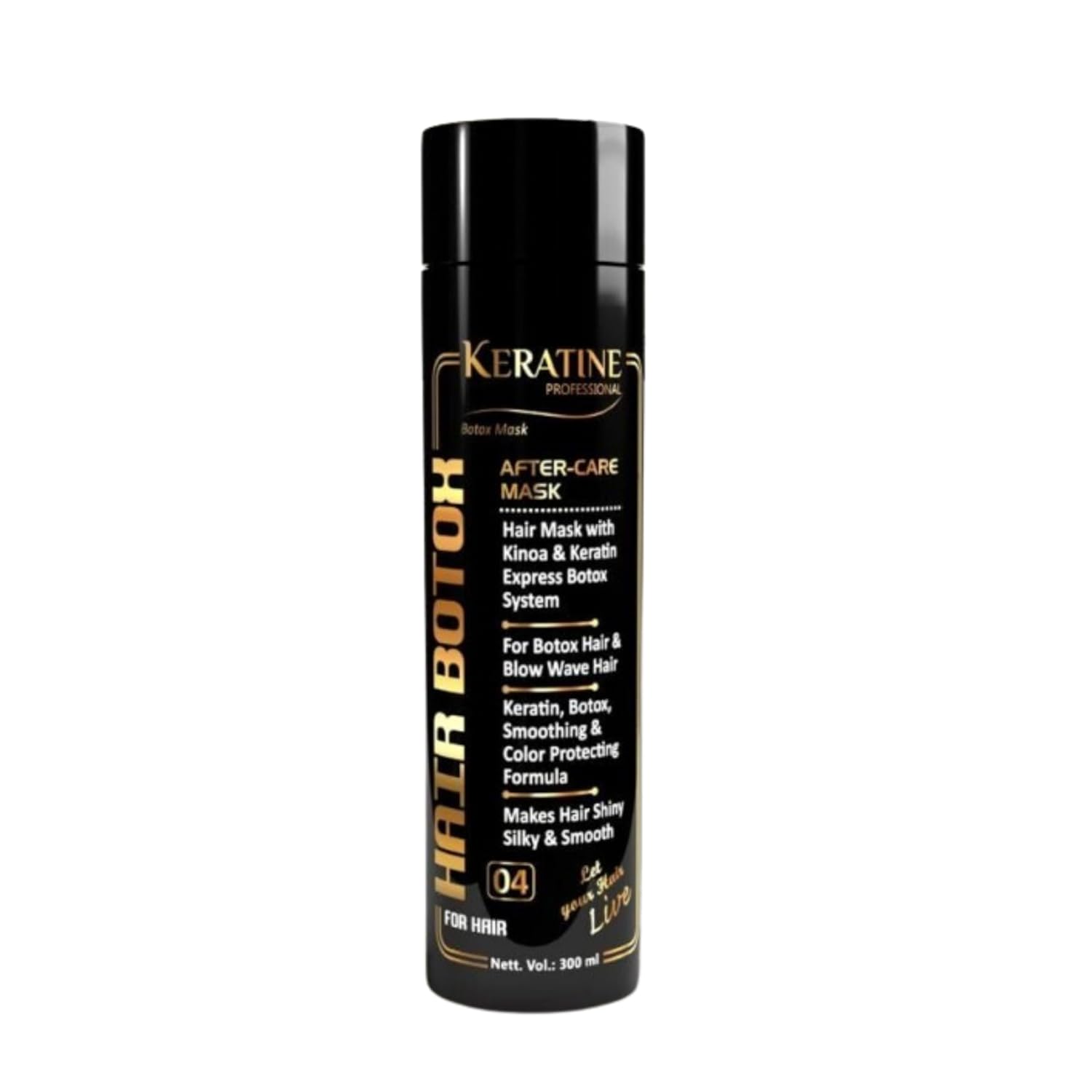
If you are looking for a hair mask that can help you with the texture, frizz and unmanageable hair, then a smoothing hair mask is a great choice for you.
Provides Extra Care for Dry Hair
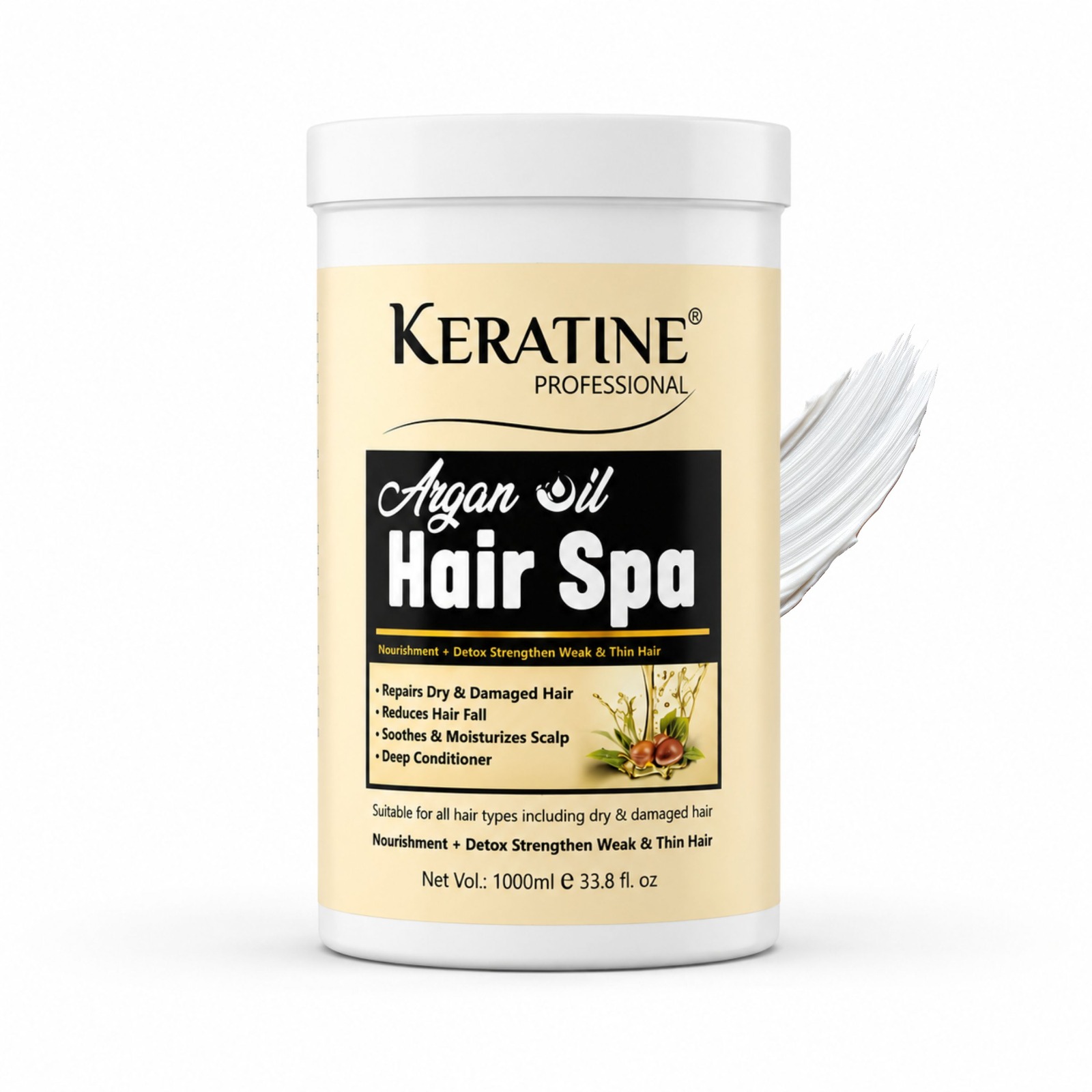
Use a normal conditioner for regular use and a deeper conditioning one once or twice a week if hair is very dry.
A hair mask can give more nourishment to dry lengths and ends, making the hair more comfortable, soft and manageable.
Hair Mask for Frizzy Hair
If frizz is your biggest concern, then you need to select a product that will hydrate and make your hair smoother.
Hair that is dry, rough, or frizzy can be included in a Hair Mask for frizzy hair with a Deep Nourishment routine.
Apply the mask primarily to the mid-lengths and ends, particularly if roots tend to get oily quickly. Apply according to the manufacturer's instructions and rinse well.
A nourishing mask can be used in addition to your regular conditioner and can help to soften dry, hard-to-manage hair with regular use.
Sulphate-Free Hair Mask for Dry and Damaged Hair
Sulphate-Free Hair Masks can also be tried if the hair is very dry or damaged.
Hair Mask Deep Repair and Hydration for Dry Hair is formulated with deep repair and hydration in mind and is suitable for making weekly hair conditioner.
This mask can prove helpful when the hair is rough, dry, or lacking moisture. Apply product evenly to lengths and ends; avoid over-applying a large quantity.
Keep in mind that the more product, the better product is not always. If it feels heavy, or greasy, decrease the amount or the frequency.
Rosemary Hair Mask for Nourishing Hair
Another favorite hair care recipe ingredient is rosemary, which is common in nourishment formulas.
If you need a hair mask that will provide conditioning and nourish the hair, rosemary oil can be a good option. Consider using the Keratin Sulphate-Free rosemary Hair Mask with Oil when your hair is tired or in need of special softness and care.
Follow the instructions to use the mask as directed by the manufacturer and apply it to the most in need areas of the body. It is better to use the sprayer in a regular but well-balanced manner than to use it heavily on each washing.
Smoothing Hair Mask for Rough and Unmanageable Hair
Some hair types require primarily assistance in terms of smoothness and manageability. A smoothing hair mask might be a better choice for you if your hair is rough or frizzy and hard to style.
Another way to incorporate a smoothing treatment into your hair care routine is with the Keratin Smoothing Hair Mask. It can be viewed here: Smoothing Hair Mask.
A smoothing mask can be beneficial for those who would like to run in softer and easier to manipulate hair after washing.
How to Use Hair Mask and Conditioner Correctly
There are two ways to achieve better results with both products, and it's easy to do that with a simple routine.
Step 1: Shampoo Your Hair
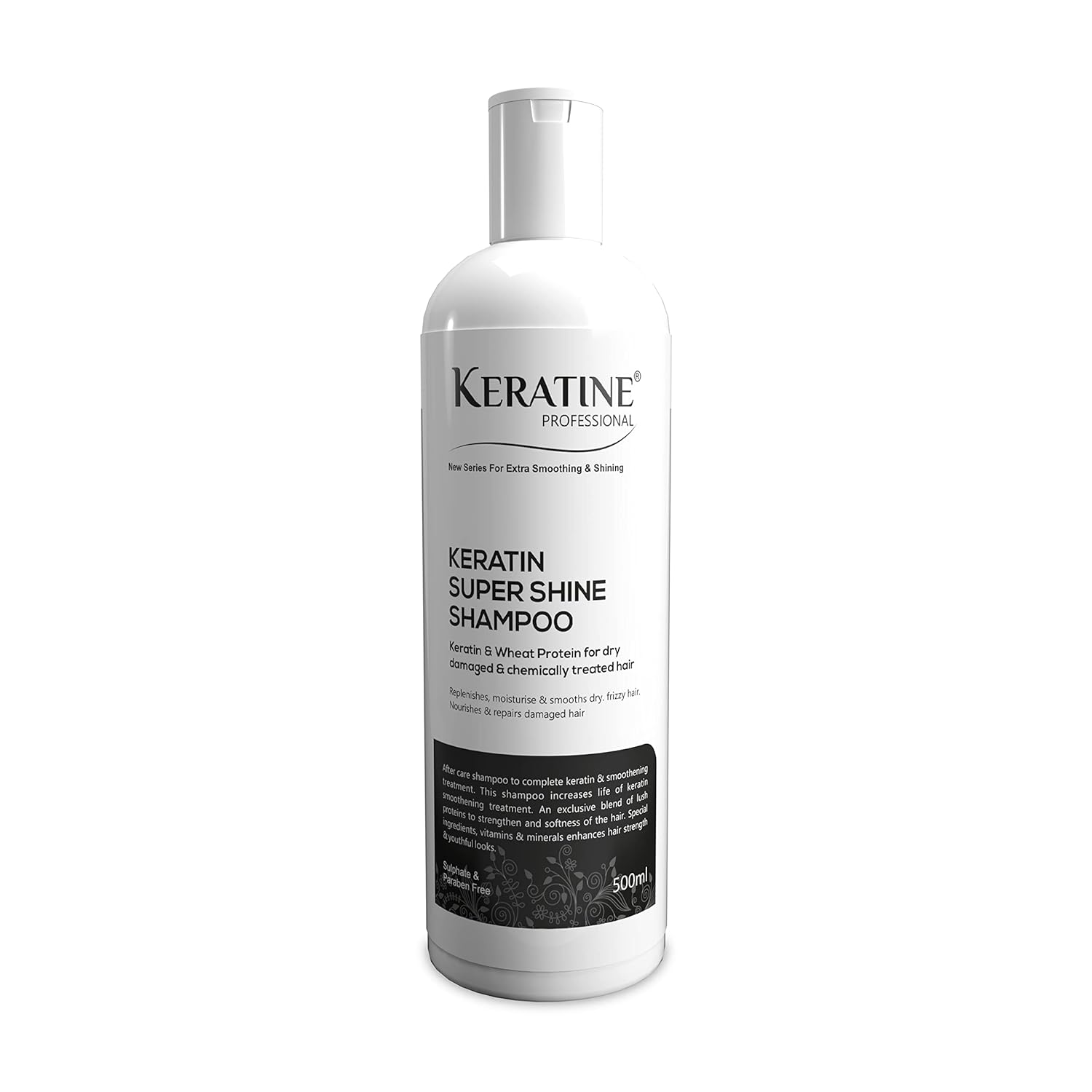
Wash the scalp and hair with an appropriate shampoo. Rinse thoroughly to remove dirt and oil, and product buildup.
Step 2: Apply the Hair Mask
Dry off excess water from hair before using a mask. Use predominantly from mid-lengths to ends.
Unplug it and rinse it off after the time indicated in the instructions on the package.
Step 3: Use Conditioner
On regular wash days, apply conditioner after shampooing. Focus on the lengths and ends, not so much on applying a lot directly on the scalp.
Follow the product instructions to leave on and rinse.
It's not always essential to use a hair mask and conditioner simultaneously. Many routines can be done regularly with the use of conditioner and the mask is used once or twice a week, depending on the need for added conditioning.
How Often Should You Use a Hair Mask?
The best one is determined by your hair condition and the product you are applying.
A mask can be used once or twice a week to give extra conditioning to dry or damaged hair. It might not be necessary as frequently for normal hair. Reduce amount or frequency if hair feels heavy, greasy or hard to handle.
In most cases, you can add conditioner to your shampooing routine, following the shampoo wash.
Tips for Softer and More Manageable Hair
A good product regime is most effective when paired with effective hair care.
Try not to wash your hair with very hot water and limit any unnecessary heat styling. Use appropriate heat protection when using a blow dryer, straightener or curling iron.
When detangling wet hair, be gentle and do not pull too hard as there will be no need to pull the hair unnecessarily. Try to not rub or scratch wet hair with a towel, but use a soft towel or microfiber towel.
Most of all, select products that fit the needs of your hair. Hair masks for frizzy hair might work better for unruly, dry hair while a hydrating or smoothing mask might be better for other hair-related issues.
Overall Summary
Taking care of your hair with a simple hair care routine will help make your hair softer, smoother and easier to manage. A conditioner is great for normal hair, to make it more manageable and easier to detangle, and a hair mask can give the hair some extra nourishment when it is dry or rough. With hair types and concerns in mind, it is important to select products that suit you. Follow guidelines for treating and when using treatments, concentrate on the lengths and ends. Careful washing, frequent conditioning, avoiding over-heat and over-tightening can also contribute to healthier-looking hair. Regularly, hair might be softer, smoother, and easier to manage.