How to Choose the Right Smoothing Shampoo for Your Hair Type
Choosing the right smoothing shampoo starts with understanding your hair type and needs. Discover how to manage frizz, dryness, and damage while keeping your hair soft, shiny, and easy to style.
One of the most crucial factors in smooth, soft and manageable hair would be selecting the right shampoo. If your hair is coarse, dull, or frizzy after shampooing, it could be that an old shampoo isn't working for your hair type. A decent smoothing shampoo can assist with taking out oils, enhance the hair's manageability and make the hair feel softer and simpler to style.
But each type of hair is unique, however. Hair products might be required for dry, damaged or frizzy hair.
What Is a Smoothing Shampoo?
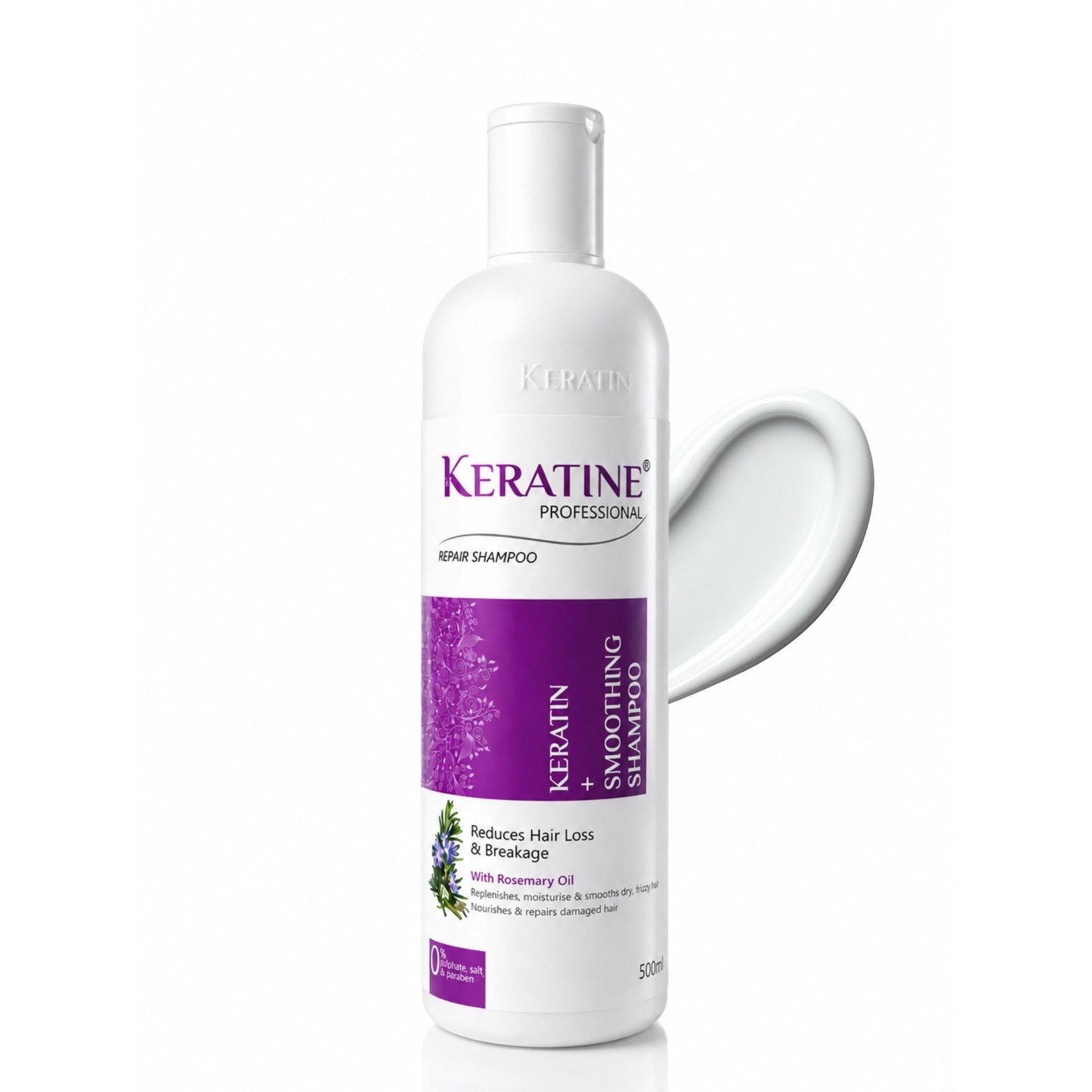
A smoothing shampoo is a shampoo that smoothes the hair, makes it softer and more textured while enhancing the manageability. It can help to tame frizz, make hair easier to detangle and make it smoother depending on the ingredients and formula.
A hair smoothening shampoo is designed to not only cleanse the scalp, but also to make the hair lengths smoother. It is particularly beneficial for those with dry, tangled, rough or hair that becomes hard to manage post wash.
Always select the formula according to the type of your hair and scalp. Shampoo will cleanse off dirt and then you can use a conditioner or a hair mask to give the hair lengths and ends extra care.
Identify Your Hair Type Before Choosing a Shampoo
Before purchasing a shampoo product, take into account how your hair feels after shampooing and how fast your scalp becomes oily.
- Dry hair: Ensure that it is not overly dry after use, search for a gel that cleans softly without causing your hair to be too dry.
- Oily hair: Use a formula designed to absorb excess oil and help to smooth hair.
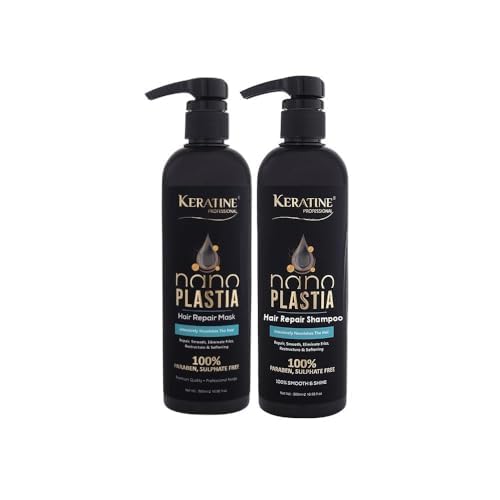
- Heat-styled hair: If your hair is often chemically treated or heat-styled, use a shampoo that is specifically formulated for damaged hair.
- Oily scalp: pay attention to proper cleaning of the scalp, but avoid using excessive amounts of products on the scalp.
- Lackluster hair: Look for a product that can help to add softness and shine to dull hair.
The needs of your scalp and hair lengths may vary. For instance, you can experience an oily scalp and dry ends. If this is the case, apply the shampoo concentrate to the scalp, and let the lather cleanse the lengths as you rinse.
Choose a Smoothing Shampoo for Frizzy Hair
Frizzing of hair is caused by humidity, heat styling often, damage or dryness. Even after brushing, it can appear uneven and rough in strands.
Use an appropriate smoothing shampoo that will help the hair to be combed and styled easily. Find a formula that will make your hair soft, but not heavy or greasy.
If you have a tendency to get flyaways, tangles, and an unmanageable texture in your hair, a hair smoothening shampoo might be a good option. Ideally, shampoo and conditioner should be applied and the hair should not be rubbed vigorously with a towel.
Keep in mind that shampoo will not straighten hair and does not fix all types of damage. Its primary function is to promote a manageable hair-care regimen by cleansing and supporting.
Select Shampoo for Dry and Damaged Hair
Dry and damaged hair can be brittle, rough or hard to detangle. Damage may occur over time from regular heat styling, colouring and chemical processes and environmental exposure. If hair is not soft, select shampoo for damaged hair.
For those who are more concerned with the dryness and lack of hair manageability, a shampoo for damaged hair may be a good choice. Use it in combination with a conditioning treatment or a hair mask to enhance the texture of your hair and to reduce the friction while combing.
When choosing a shampoo, consider the following:
- Find a formula that is designed for dry or damaged hair.
- Do not use too hot water to wash.
- Gently untangle with a wide toothed comb.
- Use less heat to minimise damage.
Regularly using the shampoo can make hair softer and healthier, but if it is already in bad shape, it may not be possible to restore it to its former glory with the shampoo alone.
Consider a Natural Shampoo for Gentle Hair Care
A natural shampoo could be your option if you want to stick with a basic hair care regimen. If a product is advertised as natural, look at the ingredients and determine if the formula will be compatible with your scalp and hair problems.
The ideal shampoo will strip away excess oil and dirt, and not leave any styling product behind to cause discomfort on the scalp. For dry scalp or chemically treated hair, check the impact the hair cleansing formula has on your hair after you wash it.
Keep in mind, not everything that is natural is appropriate for all people. Marketing labels are not as important as your scalp sensitivity, hair texture, and your needs.
Try Black Seed Shampoo for Your Hair-Care Routine
Individuals interested in trying various hair care components may want to try black seed oil products. The right one will depend on the overall formula and the reaction of the hair to the formula.
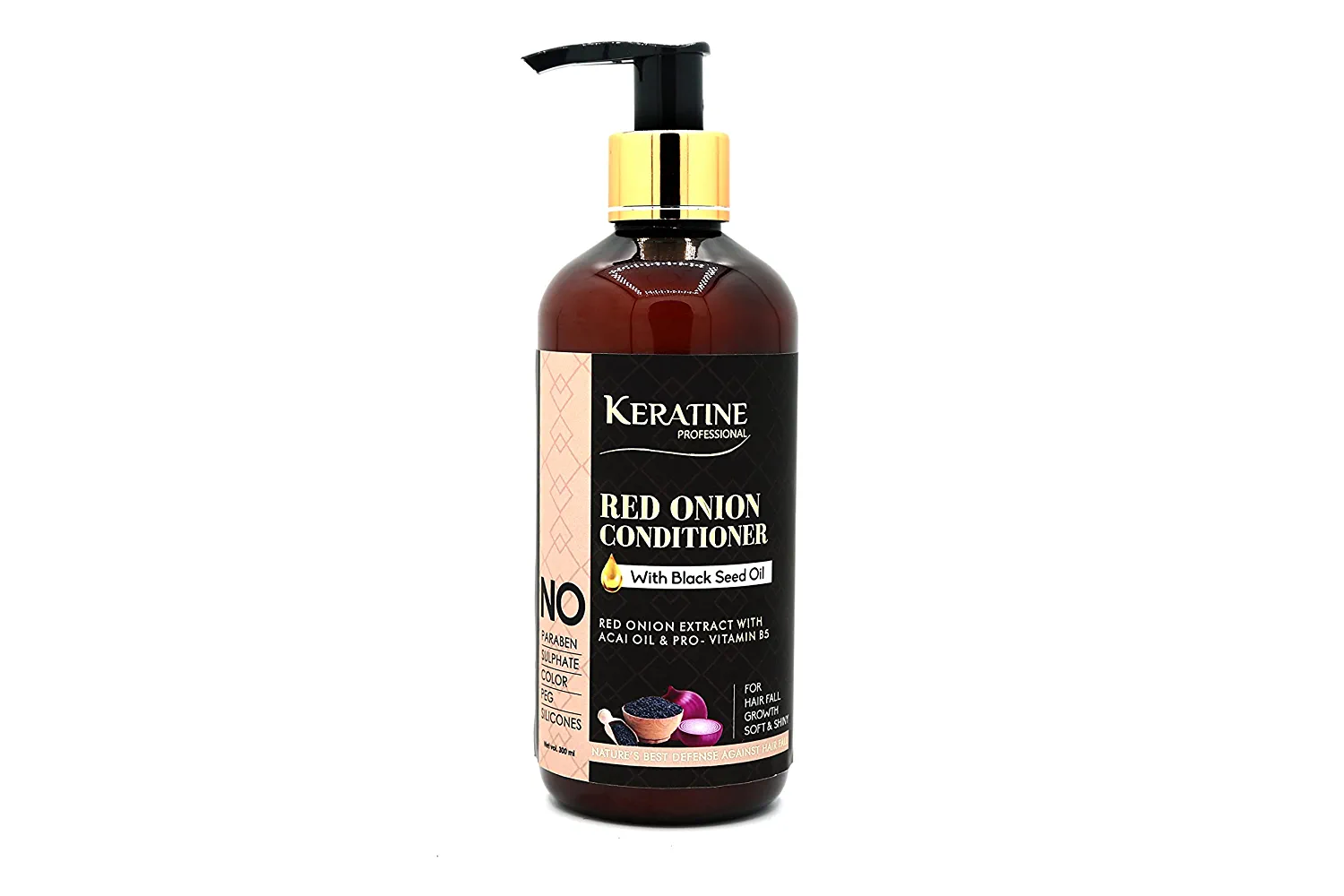
Black seed shampoo is a combination of onion oil and black seed oil in a sulfate free shampoo. This type of formulation may be a good choice to consider as part of your normal cleansing routine.
If you're thinking about choosing this shampoo, take into account your scalp health and the number of times you wash your hair per week. Use according to product instructions; Discontinue use if irritation occurs.
Onion oil and black seed oil are two well-known hair-care ingredients used in beauty products, but an ointment containing them does not necessarily provide a guaranteed solution to hair loss or a substitute for medical advice if there is ongoing hair loss.
Choose a Silky Hair Shampoo for Shine
If you have hair that is dull or rough despite frequent washing, you might need to pay attention to hair products that enhance the appearance and softness of your hair. The right shampoo will help you to have smooth hair and make styling your hair easier each day.
If you're looking for shine and a smoother finish, you should consider a silky hair shampoo.
Consider a conditioner following shampooing and try not to towel dry. Always use a heat protectant when straightening or using a blow dryer often.
Keep in mind that there are various elements involved in shiny hair: hair's condition, product buildup, conditioning habits and styling. The best results for a shampoo come when it is used in conjunction with a well-rounded skincare regimen.
Check the Ingredients Before Buying
The product used in a shampoo can help you determine if it's right for you and your hair. Don't only look for a specific product by name, read the label and know what the formula does.
Some ingredients and types of formula to look for:
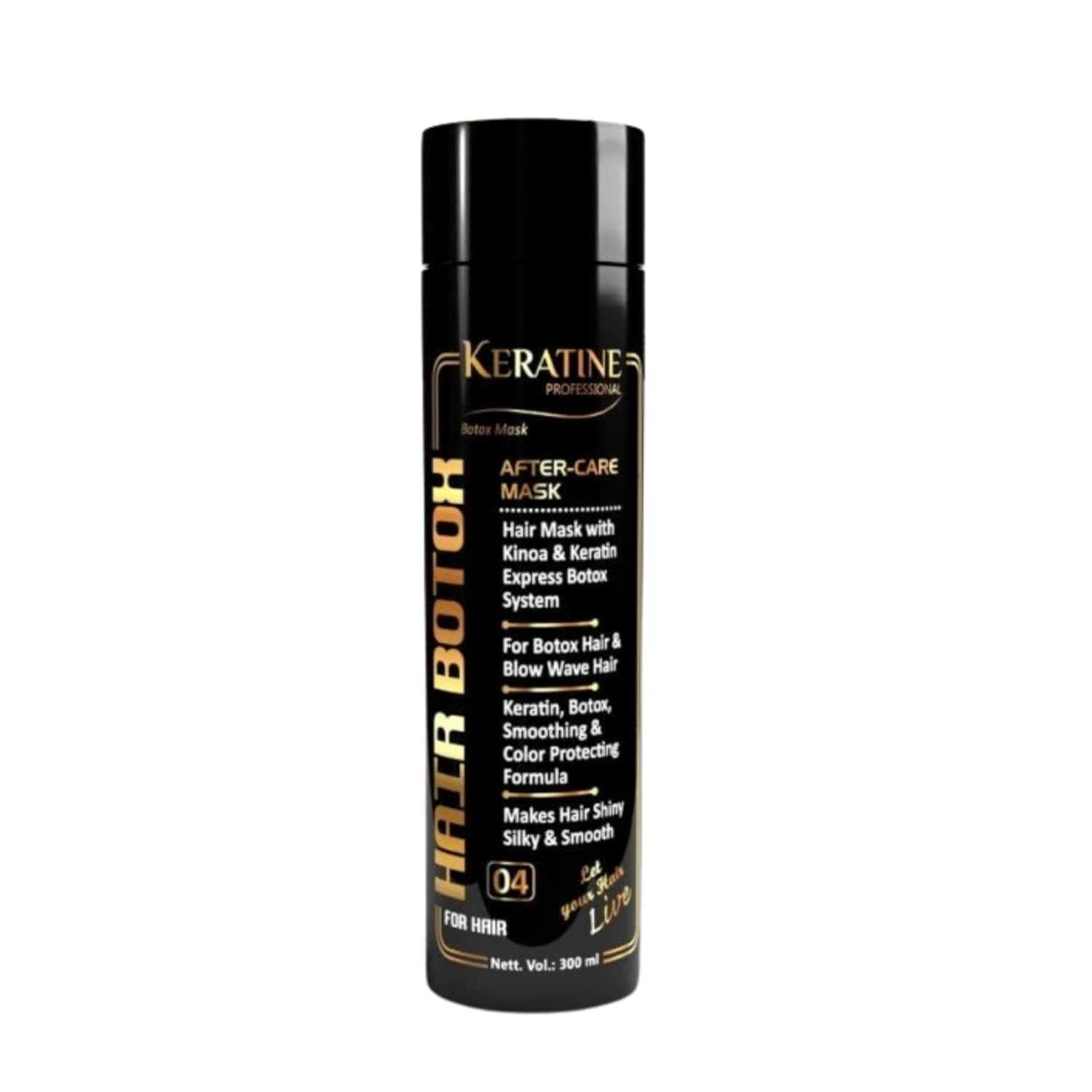
- Keratin: Frequently used in hair products to restore damaged hair and enhance its texture and appearance.
- Conditioning agents: Make hair softer, detangles and makes it easier to manage.
- Nourishing oils: May help to soften hair and reduce friction.
- Relaxing cleaning products: They can help if you wish to clean your hair without causing it to feel too dry.
- Sulphate free formulas: May work for some individuals with chemically treated, frizzy or dry hair, depending on the formula.
There is no one ingredient that will help you to get smooth hair. Take into account the whole formula, as well as the hair requirements and what occurs after a couple of washes.
How to Use Smoothing Shampoo Correctly
Even with the correct shampoo, you could end up with the wrong feel. Wash your hair regularly to retain a healthy scalp and hair.
Wash your hair completely: Using lukewarm water, prepare the scalp and hair for the washing.
Condition the scalp: Apply shampoo, gently massage with fingertips.
Rinse thoroughly: let the lather go down the lengths of the hair, do not scrub them.
Moisturize hair: Conditioner is used primarily on the middle to end sections of the hair, as per product directions.
Dry slowly: Pat, do not rub hair bristles.
Style with care: If necessary, apply an appropriate serum or heat protectant when styling.
Wash as needed based on scalp type, activity and hair type.
Common Mistakes to Avoid When Choosing Shampoo
Popular or perfuming shampoos might not solve your hair problems. Watch out for these common errors:
- Application of a heavy formula that gives fine hair a flattened look.
- Using a strong shampoo on dry hair.
- Anticipating that shampoo can permanently straighten naturally curly hair.
- Avoid using conditioner if your hair tends to become tangled.
- Using excessive heat without protection.
- Frequent changing of products without allowing routine time to be effective.
Use a cosmetics shampoo when you have a skin allergy, but if your scalp is continuously itchy and inflamed or flaky, be sure to consult your dermatologist.
Overall Summary
The type of shampoo you use depends on the type, condition, and care routine for your hair. From dry and damaged to frizzy and dull, using the right formula can help soften and tame the hair. Use regular shampoo, condition, dry carefully and avoid heat styling to promote healthy hairstyle. Read the ingredients of the product before making a decision; and remember to use the same routine so that your hair is smooth, shiny and easier to manage without any extra product buildup.